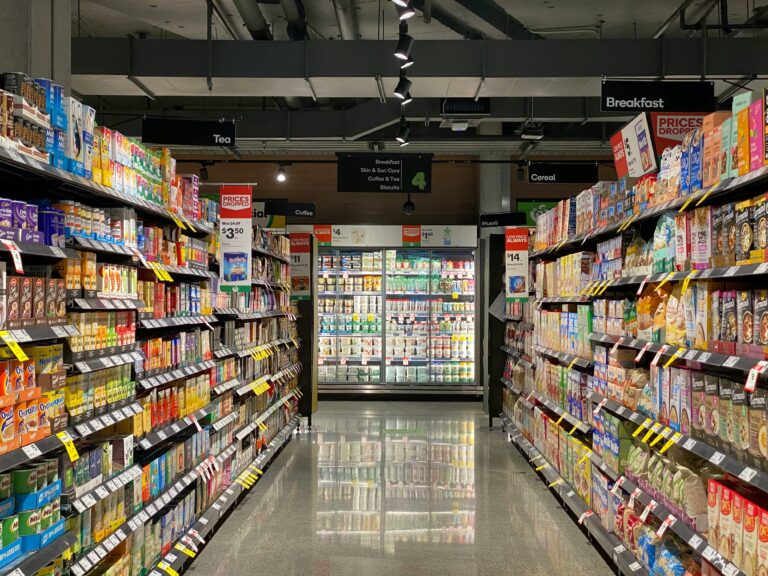
Product management has evolved from a back-office administrative task into a front-line strategic engine. It is no longer enough to simply manufacture a quality item and hope it finds a buyer. Today, success is defined by a brand’s ability to synchronize its supply chain, manage diverse SKUs with surgical precision, and utilize real-time data to influence the customer at the “moment of truth” on the retail shelf.
When we discuss product management in a retail and distribution context, we are talking about the orchestration of a product’s entire physical and digital existence. This includes everything from initial lifecycle planning and stock replenishment to the AI-driven analytics that predict tomorrow’s demand. Businesses that master these pillars eliminate costly waste, boost customer loyalty, and maintain a lean, agile operation that can pivot as fast as market trends change.
Efficient Product Lifecycle Management (PLM) for Retail
Every product has a journey: from the initial design and launch phase to its peak maturity and eventual decline. Product management must account for every stage of this lifecycle to maximize profitability. Efficient PLM involves synchronizing the manufacturing process with retail demand to ensure that new product launches aren’t cannibalized by old stock.
A disciplined PLM strategy allows retailers to phase out “end-of-life” products gracefully, using data to determine the exact moment to transition to the next generation of goods. This prevents the accumulation of “dead stock” and ensures the retail shelf always looks fresh and relevant.
Integrated Product Management: Breaking Down Operational Silos
The greatest enemy of efficient product management is the “silo effect”—where the warehouse doesn’t talk to the sales team, and the sales team is disconnected from procurement. To achieve true operational agility, businesses must adopt an integrated approach. Integration means creating a single source of truth where data flows seamlessly between the field and the headquarters.
By breaking down these silos, companies can ensure that their product management strategy is proactive rather than reactive. When sales data from the field instantly informs procurement cycles, the result is a massive reduction in “time-to-shelf” and a more responsive brand presence.
Real-Time Visibility and Seamless Product Management
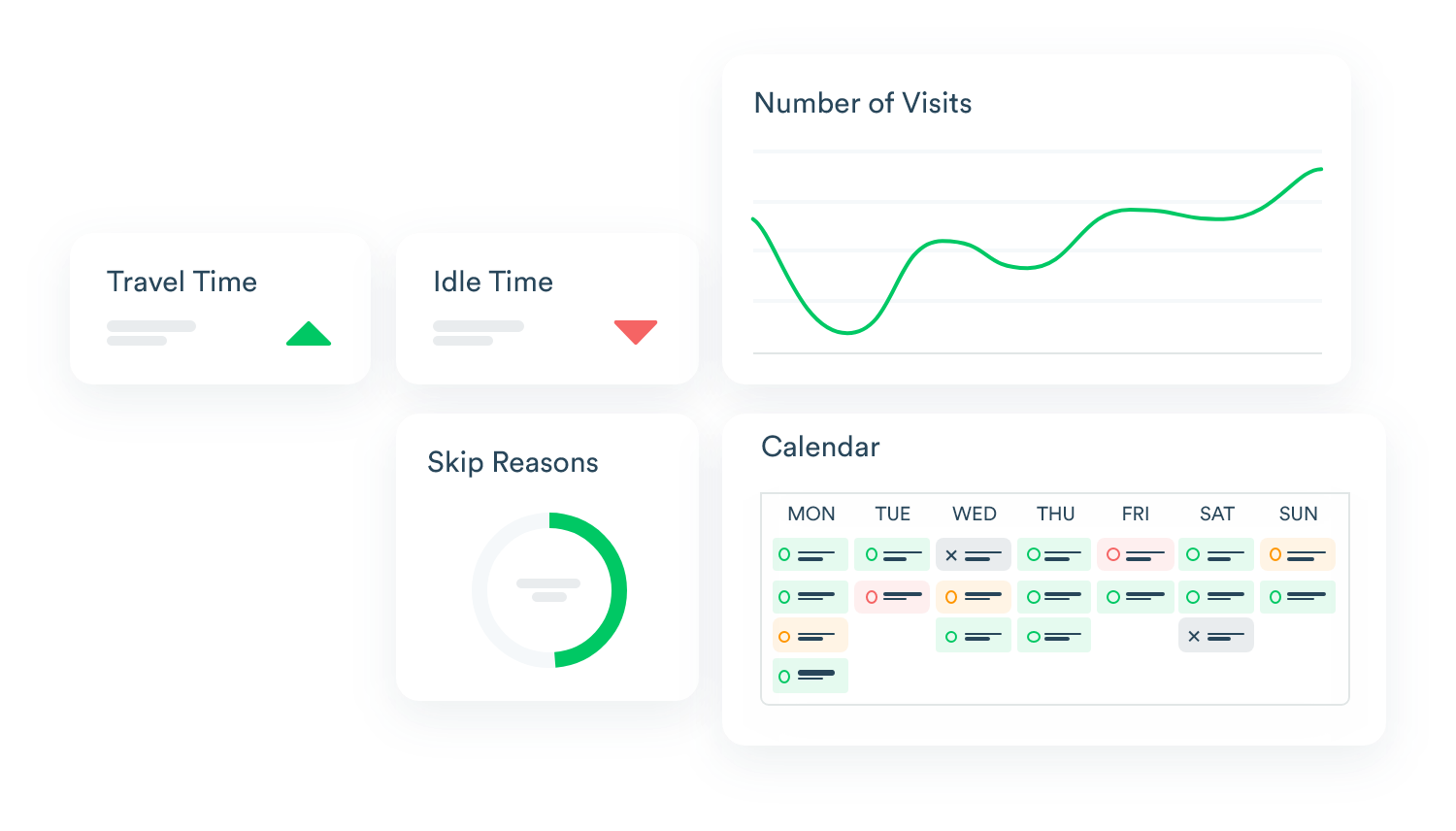
In the world of fast-moving consumer goods (FMCG), visibility is the foundation of control. You cannot optimize what you cannot measure. High-level product management relies on real-time visibility into every link of the distribution chain. This is achieved through mobile-first data collection tools that allow field agents to report on shelf health instantly.
When managers have a “live” view of their merchandise, they can spot issues like phantom inventory or misplaced displays immediately. This transparency bridges the gap between the executive boardroom and the retail floor, ensuring that the product management strategy is actually being executed as intended.
Like what your reading?
Take a moment to subscribe before continuing and never miss out on exclusive insights, news, and case studies.
Optimizing Stock Replenishment for Maximum Availability
Stockouts are the ultimate failure of product management. When a customer finds an empty shelf, they don’t just walk away; they often switch to a competitor. Conversely, overstocking leads to capital inefficiency and potential waste. Optimizing stock replenishment is an art form that requires an audit-driven approach.
By using software to automate reorder points based on actual consumption rates, retailers can maintain a “just-in-time” inventory model. This ensures that the most profitable SKUs are always available, maximizing the ROI of every square inch of shelf space.
Advanced Inventory Strategies for Retail Stock Tracking & Product Management
Inventory management is the backbone of any retail-focused product management plan. Modern strategies go beyond simple counting; they involve predictive analytics and automated safety-stock calculations. The goal is to create a self-correcting system where inventory levels adjust based on seasonal trends, promotional activity, and logistical lead times.
Effective tracking strategies protect a company’s cash flow. By minimizing the amount of capital tied up in excess inventory, businesses can reinvest those funds into marketing or new product development, creating a virtuous cycle of growth.
Strategic Asset Allocation (SAA) in Retail Environments
In the context of product management, assets aren’t just the products themselves—they are the coolers, the display stands, and the branded kiosks that hold the products. Strategic Asset Allocation (SAA) involves the data-driven placement of these physical resources to drive maximum consumer engagement.
If a high-value asset, such as a specialized beverage cooler, is placed in a low-traffic area of a store, the ROI of both the asset and the product suffers. SAA ensures that your physical infrastructure is working just as hard as your marketing team to convert shoppers into buyers.
Mastering Shelf-Life and Expiry Management
For brands dealing in perishables, pharmaceuticals, or cosmetics, product management is a race against the clock. Managing shelf-life is not just about avoiding financial loss; it is about protecting the consumer and the brand’s reputation. A single expired product on a shelf can do irreparable damage to customer trust.
Implementing a rigorous “First-In, First-Out” (FIFO) system, supported by digital audits, ensures that stock is rotated correctly. This proactive approach to product management reduces the environmental impact of waste and keeps your inventory fresh.
Avoiding Waste with Strategic Promotions
Even with the best planning, some stock may approach its expiry date. A sophisticated product management strategy includes a “contingency plan” for aging inventory. Instead of writing off these products as a loss, retailers can use automated promotional triggers to clear the stock.
By linking inventory data to promotional displays, you can offer time-sensitive discounts that incentivize shoppers to buy “near-expiry” items. This converts a potential loss into immediate revenue and keeps the supply chain moving smoothly.
Product Management and Pricing Trend Navigation
The more successful a brand becomes, the more SKUs it tends to manage. This complexity can quickly become a liability without proper SKU management. Product management professionals must constantly evaluate the performance of every item in their catalog, identifying “stars” to double down on and “dogs” to discontinue.
Furthermore, keeping an eye on pricing trends is essential. In a world where competitors can change prices in seconds, your product management system must be capable of monitoring the market and suggesting price adjustments that protect your margins without alienating price-sensitive customers.
Market Asset Tracking and Field Optimization
The final frontier of product management is the “last mile”—the time between the product leaving the warehouse and it being purchased. Market asset tracking involves using GPS, IoT sensors, and field reporting to monitor the location and condition of your goods and displays in the real world.
This level of detail prevents “leakage” (loss or theft) and ensures that your products are being displayed according to your brand’s standards. It is the final check-and-balance in a truly comprehensive product management system.
Leveraging AI in Product Management Decision-Making
Artificial Intelligence is the “force multiplier” of modern product management. Manually analyzing thousands of data points across hundreds of retail locations is prone to human error and delay. AI-driven solutions, however, can identify subtle patterns in consumer behavior and external market factors that humans might miss.
Integrating AI into your product management workflow allows for “predictive” rather than “descriptive” management. Instead of seeing what sold yesterday, you can forecast what will be needed next week. This level of foresight allows for optimized labor allocation and hyper-accurate stock levels, ensuring your capital is never tied up in the wrong places.
Conclusion: The Future of Retail Product Management
As we have explored, modern product management is a multifaceted discipline that bridges the gap between high-level strategy and street-level execution. By integrating these eleven pillars—from AI-driven forecasting and real-time visibility to strategic asset allocation and aggressive expiry management—retailers can build a resilient operation capable of weathering any market shift.
The future of retail belongs to those who treat their data as their most valuable inventory. Book a demo to become one of them.
When you have the tools to see your stock in real-time, the intelligence to predict demand, and the agility to manage every stage of the product lifecycle, you stop reacting to the market and start leading it. Implementing a robust product management framework isn’t just an operational upgrade; it is a fundamental commitment to efficiency, sustainability, and customer-centric growth.