A Trade Promotion Solution is a game changer, let us explain: Trade Promotions are the lifeblood of the retail industry. It is a critical lever for driving sales, securing shelf space, building brand presence and earning customer loyalty. Across retail channels, companies invest heavily, often dedicating up to 27% of their total revenue to fund them. Nowadays they do manage them with Trade Promotion Solutions.
However, this significant investment often meets a sobering reality: a large portion, fails to deliver the desired ROI. Many businesses grapple with low visibility into promotion performance, inefficient manual processes, and inconsistent execution, the Promotion Optimization Institute (POI) found that 61% of CPG manufacturers find it challenging to execute promotions as planned.
These challenges underscore a critical need for a more strategic approach. This is where a Trade Promotion Solution emerges as a strategic imperative, representing a comprehensive approach to Promotion Management and transforming a high-stakes expenditure into a growth engine.
Defining Terms: Trade Promotion, Trade Promotion Solution & Promotion Management
Understanding the core concepts is essential.
Trade Promotions are marketing strategies and financial incentives manufacturers offer to retail partners to stimulate demand and encourage stocking. Common tactics include discounts, in-store displays, product bundling, slotting fees, and cooperative advertising.
A Trade promotion Solution is a specialized software engineered to automate, streamline, and optimize this entire Promotion Management lifecycle. It provides tools for planning, budget management, real-time tracking, performance analysis, and claims settlement, helping companies transition from manual processes to a data-driven approach. These concepts are interdependent: effective Trade Promotions require robust Promotion Management, which is best enabled by a dedicated Trade Promotion Solution.
Promotion Management or Trade Promotion Management (TPM), is the systematic process retailers and companies use to plan, budget, execute, monitor, and analyze all trade promotion activities. It involves strategic oversight of the entire trade spend lifecycle, aiming to optimize spending and align efforts with business objectives.
Types of Trade Promotion
Trade promotions are key marketing strategies that brands use to increase product visibility, strengthen retailer relationships, and boost sales within retail environments. Companies typically rely on several types of promotions to attract both retailers and shoppers.
Price promotions temporarily reduce the product price to encourage faster purchasing, while bonus packs provide additional quantity or “extra value” offers that make the product more appealing to consumers. Point-of-sale (POS) promotions use in-store displays and strategic placement to capture shopper attention and stimulate impulse purchases. Brands also use coupons and rebates to offer discounts or partial refunds, giving customers a financial incentive to choose their products. Finally, product sampling or demonstrations allow consumers to experience a product before buying, increasing trust and purchase likelihood. When combined and properly executed, these trade promotion strategies help brands improve shelf performance, drive demand, and achieve stronger results in retail stores.
Beyond Trade Promotion Solution: Retail Success
The marketing initiatives used by brands to increase product visibility, strengthen retailer partnerships, and drive sales in competitive retail environments that we call trade promotions, are drivers of retail success. These promotions typically involve incentives such as special pricing, product displays, demonstrations, or value-added offers that encourage retailers to highlight certain products and attract consumer attention.
Successful trade promotions require careful planning, including setting clear objectives, analyzing market trends and customer behavior, and aligning campaigns with broader business goals. Collaboration with retail partners and the use of technology—such as retail management systems—can greatly improve execution and provide real-time insights into performance. By continuously measuring results and optimizing strategies, businesses can turn trade promotions into a powerful tool for improving retail execution and achieving long-term sales growth.
Trade Promotion Solution Requirement: A Solid Merchandising Solution
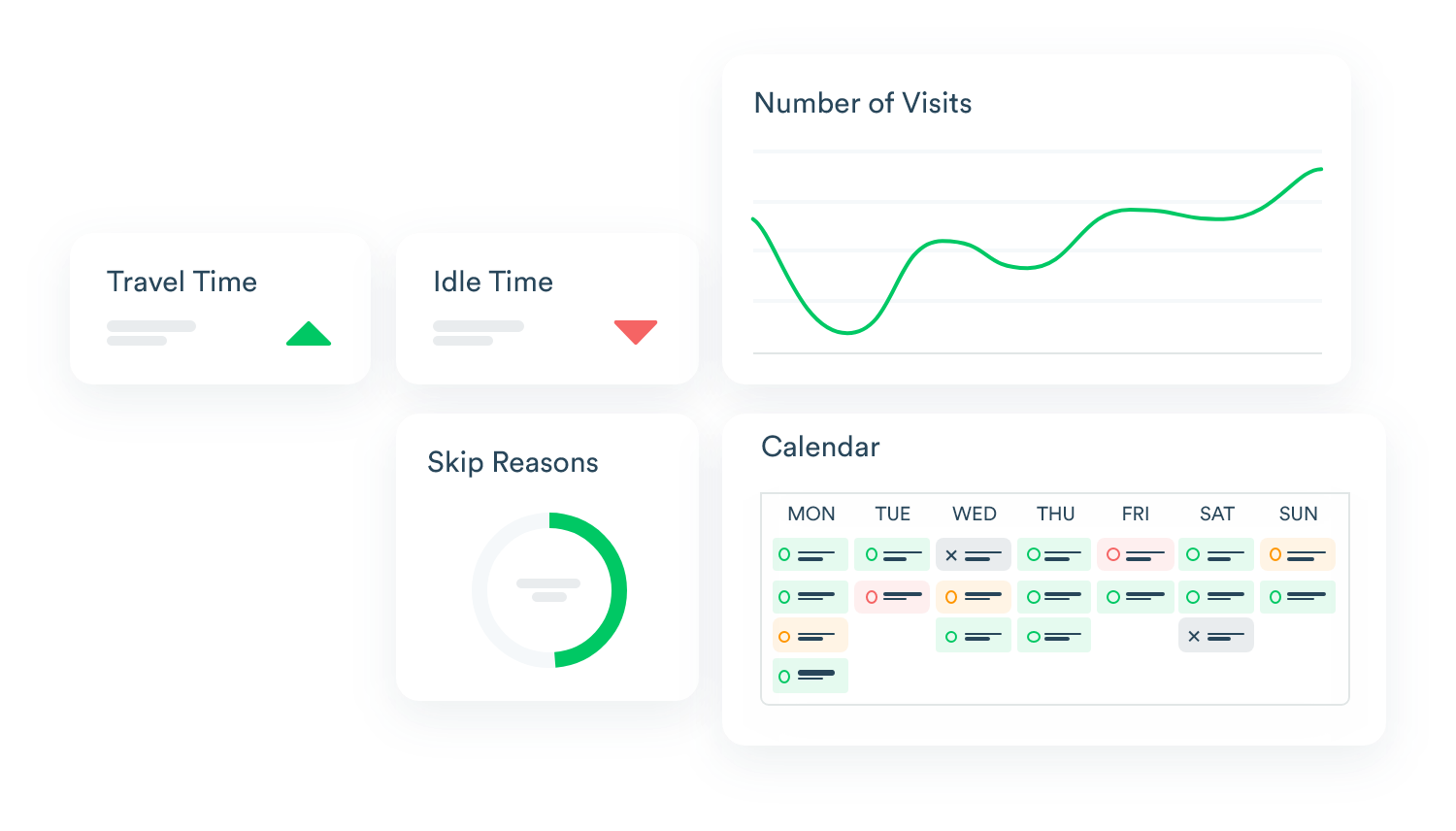
Trade promotions succeed only when executed effectively in stores, which requires a strong merchandising solution. Without tools to ensure correct displays, pricing, and stock levels, even well-planned promotions can fail. A robust merchandising system provides real-time visibility, compliance tracking, and performance insights, helping field teams keep campaigns on track.
Merchandising tools also help brands maximize ROI and reduce wasted spend by ensuring promotions are implemented consistently. Features like mobile compliance checks and dashboards make it easier to monitor execution and align store performance with strategic goals. This turns trade promotion plans into measurable results, improving accountability and optimizing future campaigns.
Advantage of a Modern Trade Promotion Solution: Capturing Market Share
Trade promotions are powerful tools for capturing market share by increasing product visibility, encouraging trial purchases, and influencing shopper behavior at the point of sale. By offering targeted incentives like discounts, displays, or value‑adds, brands can attract new customers, strengthen relationships with retailers, and differentiate themselves from competitors.
To be effective, these promotions must be well‑planned, data‑driven, and consistently executed in stores, ensuring products are visible and available where shoppers make purchase decisions. Monitoring performance metrics and adjusting strategies based on real‑time insights further enhances results and ROI.
Like what your reading?
Take a moment to subscribe before continuing and never miss out on exclusive insights, news, and case studies.
Keeping it Data-Driven for optimized Trade Promotion
Data-driven Trade Promotion Optimization (TPO) is transforming how brands plan and execute retail promotions by replacing intuition with analytics and measurable insights. Instead of relying on traditional “hit-or-miss” approaches, companies use historical sales data, inventory levels, market trends, and consumer behavior to predict the impact of promotions and allocate resources more effectively. This data-centric approach helps organizations design targeted campaigns that align with real market demand and improve decision-making across marketing, sales, and supply chain teams.
By leveraging advanced analytics and technology, businesses can forecast promotion outcomes, maximize return on investment, and improve overall campaign performance. Data-driven strategies also encourage stronger collaboration between departments and enable real-time monitoring, allowing companies to adjust promotions quickly when market conditions change. As technologies such as AI and predictive analytics evolve, Trade Promotion Optimization is becoming an essential tool for brands aiming to improve retail execution and achieve sustainable sales growth.
From Strategy to Success: Implementing Your Trade Promotion Solution
Effective Promotion Management requires clear strategy. Best practices include setting clear, measurable objectives for each promotion, such as target sales lift or market share growth. Embrace data-driven decision making, moving beyond the “Same As Last Year” trap by using historical data, real-time analytics, and predictive insights.
Conduct thorough pre- and post-promotion evaluation. Pre-evaluation refines the approach, while post-promotion analysis (PPA) assesses ROI and gathers insights. Kantar reports 45% of top CPGs use PPA for continuous improvement. Foster strong retailer collaboration by aligning goals and sharing insights. Optimize your promotion mix and targeting by tailoring promotions to specific segments and combining various methods.
Avoid common pitfalls like overly complex promotions, lack of data-driven decisions, poor retail execution and inaccurate success measurement. A Trade Promotion Solution amplifies best practices, but strong fundamentals are essential for maximizing its ROI.
Spent Globally on Trade Promotions Annually
The Real Key Metrics of Trade Promotion Solutions
Effective trade promotion analysis relies on tracking key metrics that reveal how well promotional campaigns perform and whether they generate real business value. Metrics such as sales lift or incremental sales measure the additional revenue generated during a promotion compared to normal sales levels, helping companies determine the direct impact of their campaigns. Other indicators, like baseline sales, promotion uplift, and share of shelf, provide context by showing what sales would look like without the promotion and how product visibility in stores contributes to improved performance.
The main metrics to further refine this analysis are for example, companies often track the bump rate (increase in units sold during promotions), cross-category participation to see how promotions affect related products, and margin impact to ensure sales growth does not come at the expense of profitability. Return on Investment (ROI) and benchmarking against industry standards are also essential for evaluating whether promotional spending delivers meaningful returns. Combining these metrics with consistent data analysis, lets organizations optimize trade promotion strategies, allocate budgets more effectively, and continuously improve campaigns.
The missing link of a Trade Promotion Solution: Execution
Trade promotion strategies often fail not because of poor planning but due to weak execution at the store level, where the success of any campaign is ultimately determined. Many brands focus on designing attractive promotions, and overlook the importance of ensuring consistent, accurate in‑store implementation. Without tools to verify compliance and collect real‑time feedback from the field, plans rarely translate into results and promotional ROI suffers.
Bridging this execution gap requires technology and processes that empower field teams, provide visibility into activity at each store, and help headquarters measure what’s happening on the ground. By capturing relevant data, brands can quickly identify issues, reinforce standards, and optimize future promotions. Strong execution not only improves short‑term sales outcomes but also retailer trust and strategy effectiveness.
Making a Choice and Avoiding Trade Promotion Pitfalls
Trade promotions can boost sales, but common pitfalls to avoid like complex campaigns, lack of data‑driven decisions, and poor in-store execution often reduce their effectiveness. Companies also struggle to measure success accurately, making it hard to optimize future promotions.
To avoid these issues, brands should simplify promotions, use data and analytics to guide planning, and ensure proper in-store execution. Leveraging customer feedback and modern retail management tools helps track performance and maximize ROI. These practices ensure trade promotions are more effective, visible, and profitable
Conclusion: Transform Your Trade Promotions into a Growth Engine with Shelvz
Trade Promotions are a major retail expenditure with untapped potential. A sophisticated Trade Promotion Solution, guided by strong Promotion Management, is essential for transforming this spend into strategic, profitable growth. By embracing data-driven insights, automation, and advanced analytics, CPG businesses can gain control over promotional investments. The future, powered by AI and omnichannel strategies, offers even greater capabilities. It’s time to move beyond costly gambles and turn your trade promotions into a predictable engine for sustainable growth and competitive advantage.