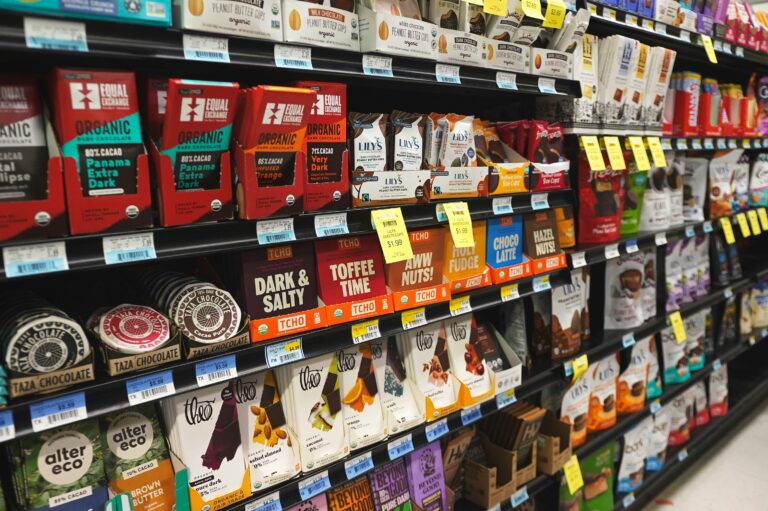
In retail the difference between record-breaking and a missed target often comes down to few centimeters of shelf space. The emergence of AI Predictive Analytics is fundamentally changing the game. Traditionally, retail execution has been a reactive game. A field representative visits a store, notices a product is out of stock (OOS), and triggers a reorder. By that time, however, the damage is done. The customer has already walked away, likely into the arms of a competitor.
Rather than looking in the rearview mirror to see what went wrong, brands are now using artificial intelligence to look through the windshield. By shifting from a reactive “find and fix” model to a proactive “predict and prevent” strategy, Shelvz is helping brands reclaim lost revenue and optimize their most valuable resource: their people.
Understanding AI Predictive Analytics in Retail
At its core, AI Predictive Analytics is the use of historical data, statistical algorithms, and machine learning techniques to identify the likelihood of future outcomes. In a retail environment, this doesn’t just mean forecasting sales; it means analyzing the complex web of variables that affect the shelf.
While traditional analytics might tell you that a specific SKU sold 100 units last week, predictive analytics asks: “Given that it’s a holiday weekend, the weather is warming up, and a nearby competitor is running a promotion, how many units will we need on the shelf by Thursday to avoid a stockout?”
By processing vast amounts of data from Shelvz and external market feeds, AI can identify patterns that are invisible to the human eye, providing a roadmap for field teams before they even leave the office. For more on how AI is changing Merchandising and the Retail Landscape read this article.
Eliminating Stockouts (the silent killer) with AI Predictive Analytics
Stockouts are often referred to as the “silent killer” of retail. According to industry research from Gartner, poor inventory visibility and inefficient shelf replenishment continue to cost retailers and brands billions in lost opportunities annually.
When a product is missing, 30% of customers will buy a different brand, and 10% will go to a different store entirely. AI Predictive Analytics tackles this by creating an early warning system.
- Pattern Recognition: AI analyzes historical “Time to Depletion” for specific SKUs at the individual store level.
- External Variables: The system integrates external factors—such as local events, seasonal shifts, or even logistical delays—that influence consumer behavior.
- Prescriptive Alerts: Instead of a general report, the AI generates a specific alert: “Store X is at 90% risk of an OOS on Brand Y within the next 24 hours.”
This allows managers to trigger a “pre-emptive strike,” ensuring that replenishment happens exactly when it is needed, keeping the “Perfect Store” vision alive 24/7.
Optimizing the Field Force: Smart Routing
One of the greatest expenses for any FMCG company is the field team. Traditionally, reps follow a static route—visiting Store A on Monday, Store B on Tuesday, and so on. This is inherently inefficient. On Monday, Store A might be perfectly stocked, while Store C (scheduled for Wednesday) is experiencing a massive surge in demand and empty shelves.
By leveraging AI Predictive Analytics, Shelvz transforms field operations into a dynamic, high-impact machine.
- Urgency-Based Routing: AI ranks stores not by geography, but by “Value at Risk.” The system directs the rep to the store where their presence will save the most sales today.
- Task Prioritization: Once the rep arrives, the AI Assistant provides a checklist focused on the most critical issues predicted by the data, such as a high probability of a planogram violation or a pending promotional launch.
This shift ensures that your most expensive assets—your human experts—are always in the right place at the right time.
Like what your reading?
Take a moment to subscribe before continuing and never miss out on exclusive insights, news, and case studies.
AI Predictive Analytics: From Data to Boardroom Strategy
The power of AI Predictive Analytics extends far beyond the aisles of a supermarket. It serves as a bridge between the chaotic reality of the field and the strategic planning of the boardroom.
When executive teams have access to predictive insights, they can move from “guessing” to “knowing.” If the AI predicts a consistent downward trend in shelf health for a specific region, leadership can investigate root causes—be it a distribution bottleneck or a localized competitor move—weeks before the quarterly sales report shows a dip.
Furthermore, this data empowers brands during negotiations with retailers. Coming to a category manager with AI-backed proof that your product requires more facings to prevent frequent stockouts is a much stronger position than simply asking for more space. You are no longer just a supplier; you are a data-driven partner helping the retailer maximize their own floor profit.
The Future of Retail is Predictive
The transition to an AI-driven model is no longer a luxury; it is a prerequisite for survival in Retail 4.0. As consumer expectations for “instant availability” grow, the margin for error shrinks.
By integrating AI Predictive Analytics into your retail execution strategy through platforms like Shelvz, you aren’t just collecting data—you’re harvesting foresight. You are moving away from the exhaustion of constantly putting out fires and moving toward a streamlined, proactive operation that anticipates needs, delights customers, and secures your place on the shelf.
The question for FMCG leaders is no longer “What happened?” but “What happens next?” With AI, you finally have the answer.
If you’re ready for the future book a demo today.
Recent Articles